
Bạn biết gì về các sản phẩm Bánh Xe Đẩy hàng?
Nhắc đến việc vận chuyển và sắp xếp hàng hoá, bánh xe đẩy hàng chắc chắn luôn được cho là mối quan tâm hàng đầu, bởi chúng đóng vai trò không nhỏ trong việc tối ưu vận chuyển. Đối với một xe đẩy hàng, khung xe và mặt sàn có thể dùng các vật liệu rẻ tiền để dùng tạm, nhưng bánh xe đẩy tuyệt đối phải chắc chắn, bởi nó vừa chịu tải từ hàng hoá và mặt sàn, vừa ma sát với mặt phẳng di chuyển. Dùng thì nhiều nhưng có ai thực sự nắm rõ về hệ thống các bánh xe đẩy này chưa? Hãy cùng Baseballnation tìm hiểu nhé.
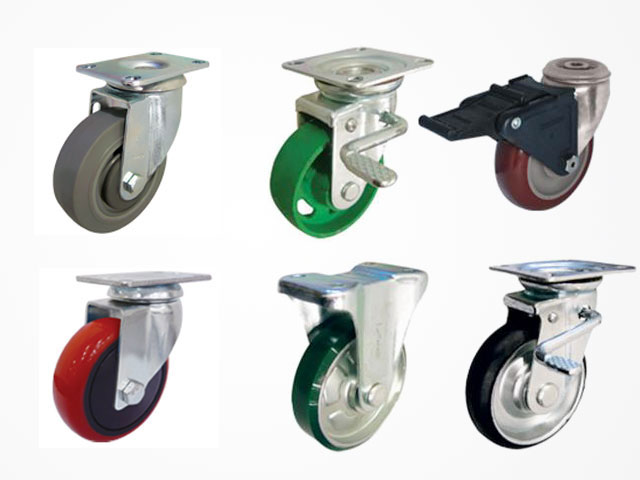
Bánh xe đẩy là gì?
Trong thực tế, Bánh xe đẩy tách rời với các bộ phận xe đẩy hàng, chúng có thể được thay thế sữa chữa dễ dàng khi gặp sự cố mà không cần phải tháo lắp toàn bộ xe. Bánh xe đẩy gồm bánh rời và khung càng thép, hoặc chỉ là bánh rời riêng biệt, tương tự như bánh xe của các loại phương tiện giao thông.
Bánh xe rời gồm 2 loại chính:
– Chạy bạc thường áp dụng cho các loại xe cỡ nhỏ, chịu tải nhẹ.
– Chạy bi lăn êm hơn, ít tiếng ồn hơn, có thể áp dụng cho các hàng hoá tải trọng lớn tuỳ thuộc vào kích thước và thông số bánh xe đẩy. Tuy nhiên, loại chạy bi cần được bảo trì thường xuyên mới có thể sử dụng lâu bền được.
Có rất nhiều mẫu bánh xe đẩy trên website https://vinawheel.com bạn có thể vào tham khảo thêm nhé.
Thuật ngữ đo đạc của bánh xe đẩy.
– Đường kính bánh xe càng lớn sẽ càng phù hợp với những loại hàng hoá tải trọng cao, di chuyển linh hoạt được trên nhiều địa hình. Bạn cứ thử so sánh giữa bánh xe đẩy hàng trong siêu thị với bánh xe ô tô và cả những chiếc bánh khổng lồ của máy nông nghiệp, sẽ thấy sự khác biệt rõ rệt đấy nhé.
– Độ lệch tâm: thuật ngữ này hơi khó hiểu nhưng có thể nói một cách đơn giản là nếu độ lệch tâm càng lớn thì bánh xe càng dễ bẻ lái và xoay hướng hơn. Sách vở định nghĩa độ lệch tâm là lượng mà quỹ đạo của thiên thể sai khác so với đường tròn.
– Chiều rộng bánh xe sẽ dàn trải được tải trọng của hàng hoá khi vận chuyển, nghĩa là nếu bánh xe rộng thì tải trọng cũng được cân bằng đều ở các điểm, người dùng không cảm thấy quá tập trung vào điểm nào. Tuy nhiên, tỷ lệ chiều rộng này cũng tăng masat, nhanh mòn bánh xe và cản trở chuyển động.
Bánh xe đẩy cũng có nhiều mẫu mã, khá đa dạng và có những tính năng phù hợp khác nhau. Nhờ đó được ứng dụng khá rộng rãi trong nhiều lĩnh vực như y tế, nội thất, nhà hàng khách sạn, … với các kết cấu phù hợp.
Bạn có thể vào https://vinawheel.com/xe-day-hang để xem các mẫu xe đẩy mới nhất hiện nay.
4 chủ đề sinh nhật cho bé gái “hot” nhất hiện nay.
Con gái vốn điệu đà và thích màu sắc, vì vậy các chủ đề của bé gái cũng khá dễ chọn lựa hơn. Đứng trước hàng loạt chủ đề được đưa ra kèm theo các phụ kiện trang trí sinh nhật phù hợp, bạn có thể chọn được một buổi tiệc ưng ý cho con không?
Đối với các bậc cha mẹ hay quan tâm đến sở thích, lối sống, tình cảm của con thì có thể đoán con mình thích một buổi tiệc như thế nào? Tuy nhiên nếu bé còn quá nhỏ hoặc bố mẹ không nhìn ra thì cũng không nên quá lo lắng, bởi top 4 chủ đề sinh nhật bé gái “hot” nhất hiện nay sẽ cứu cánh cho bạn.
Hello Kitty Hồng.
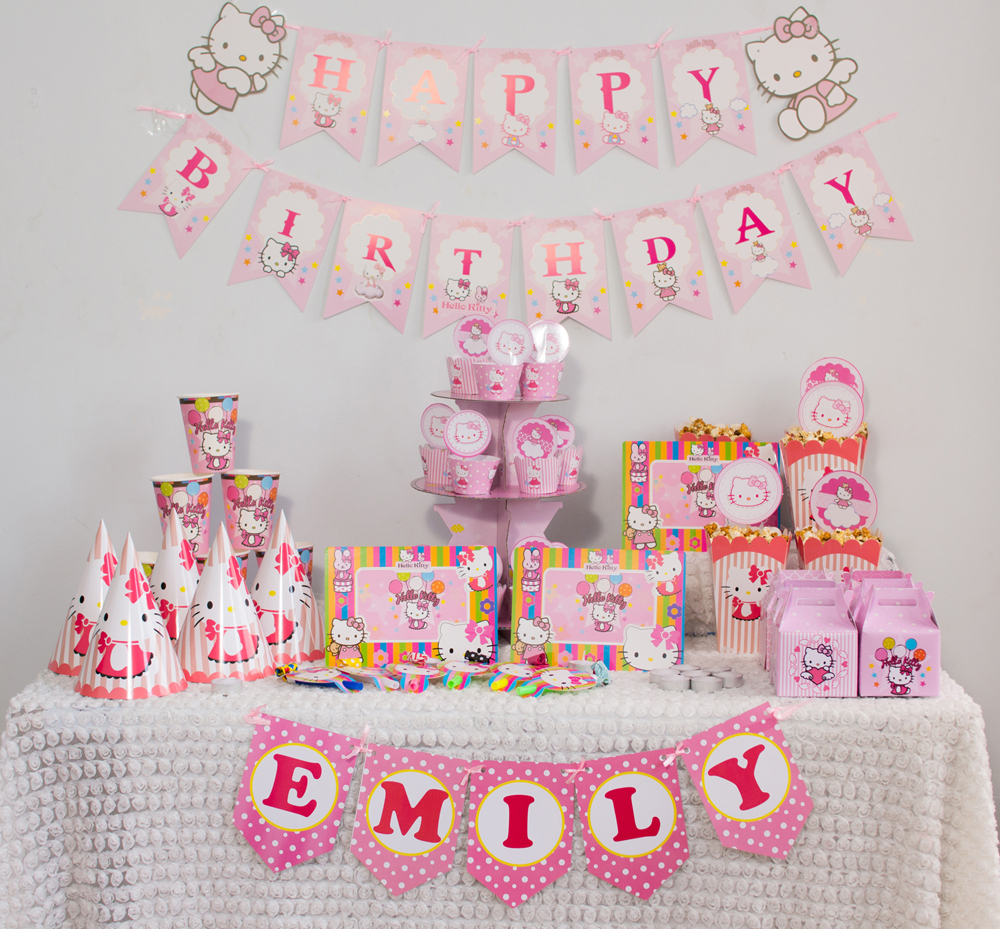
Mèo Kitty hồng cực dễ thương luôn là chủ đề mà các bé gái hứng thú. Chú Mèo Nhật Bản này luôn là hình ảnh được ví von cho các bé gái điệu đà, duyên dáng và yêu mà hồng.
Chủ đề Kitty với những phụ kiện nổi bật như chữ, hình dán Mèo, ly giấy, nến, bánh sinh nhật, thậm chí bong bóng cũng được thiết kế như một buổi tiệc của mà hồng. Bộ phụ kiện ấn tượng này khiến không gian thêm dễ chịu, người tham dự cũng được “mãn nhãn”.
Frozen
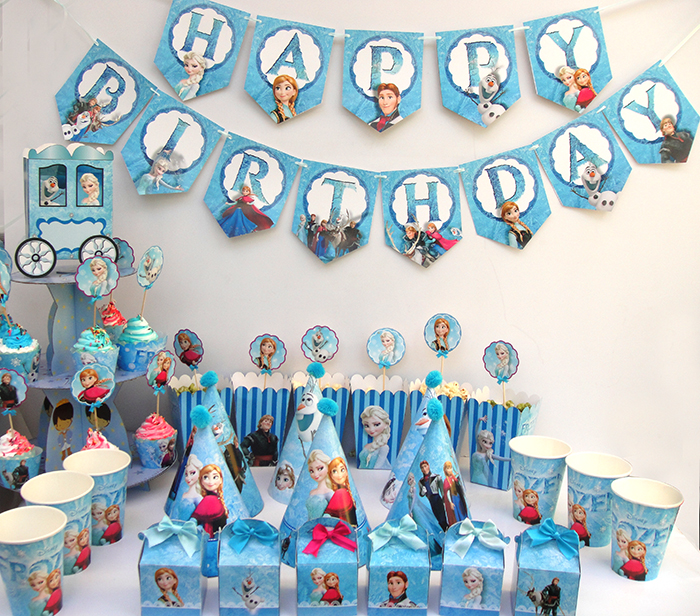
Đây cũng là tên bộ phim hoạt hình nói về tình chị em rất được khán giả màn ảnh nhỏ yêu thích, đặc biệt là nhân vật người tuyết ngộ nghĩnh. Nếu các mẹ chưa thể chọn được chủ đề nào phù hợp thì Frozen sẽ là phương án tối ưu cho một bữa tiệc ấm cúng và hoành tráng.
Bộ phụ kiện sinh nhật Frozen mang màu sắc của bộ phim, trắng pha xanh dương và có rất nhiều hoa tuyết, hai màu chủ đạo này tượng trưng cho tâm hồn ngây thơ, thánh thiện của trẻ nhỏ.
Minnie tinh nghịch.
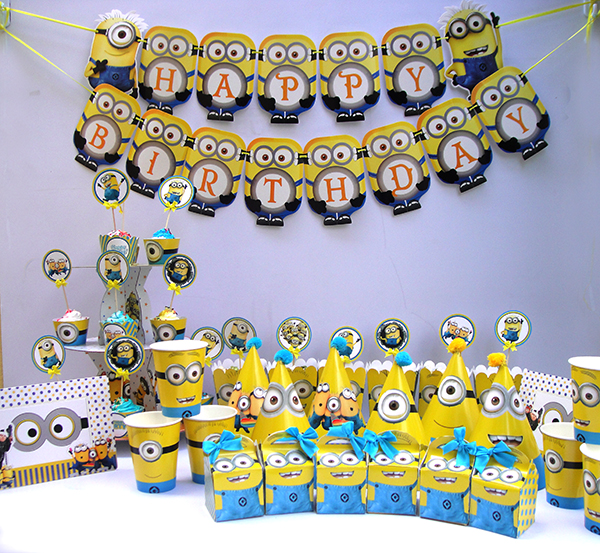
Có vẻ như ở độ tuổi của các bé thì thế giới phim hoạt hình được mang ra ngoài đời khá nhiều, và cũng là chủ ý của hầu hết các em. Với vai trò là bạn gái chuột Micky, Minnie khá duyên dáng và điệu đà với chiếc nơ hồng chấm bi trên đầu, vẻ thướt tha của cô nàng khiến nhiều bé gái ao ước.
Nếu bạn mang Minnie với các phụ kiện trang trí cho tiệc sinh nhật, bé sẽ rất hào hứng đấy.
Công chúa điệu đà.
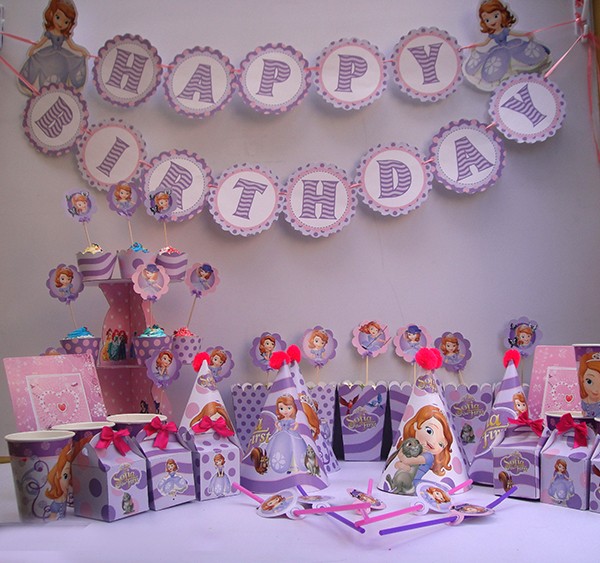
Công chúa là hình ảnh con cưng của bố mẹ, được sống trong sự nuông chiều và cung phụng hết sức tận tâm và nhận biết bao sự quan tâm. Chắc hẳn trong chúng ta có rất nhiều người khi còn tấm bé vẫn luôn quấn những chiếc mền để làm công chúa. Niềm vui nhỏ ấy đến ngày nay chưa bao giờ phai nhạt trong mắt trẻ thơ.
Còn rất nhiều bộ phụ kiện sinh nhật mà bạn có thể chọn lựa cho con yêu của mình trong ngày sinh nhật.
Hãy cho con bạn tận hưởng những phút giây được làm cô công chúa dễ thương, hiền thục với bộ phụ kiện công chúa điệu đà tại bữa tiệc sinh nhật nhé! Baseballnation chúc bạn thành công.
Nguyên tắc bảo dưỡng motor điện 3 pha.
Bảo dưỡng motor điện 3 pha motor 1 pha khá cần thiết trong việc đảm bảo motor điện hoạt động bền bỉ, lâu dài, tiết kiệm chi phí cho sữa chữa, thay thế. Bảo dưỡng motor điện 3 pha cũng như vận hành nó, cần tuân thủ một số nguyên tắc nhất định, nghiêm ngặt để không ảnh hưởng đến thiết bị máy khi được vận hành trở lại. Vậy những nguyên tắc đó là gì? Và áp dụng như thế nào? Hãy cùng Baseballnation tìm hiểu nhé.
Kiểm tra motor điện 3 pha.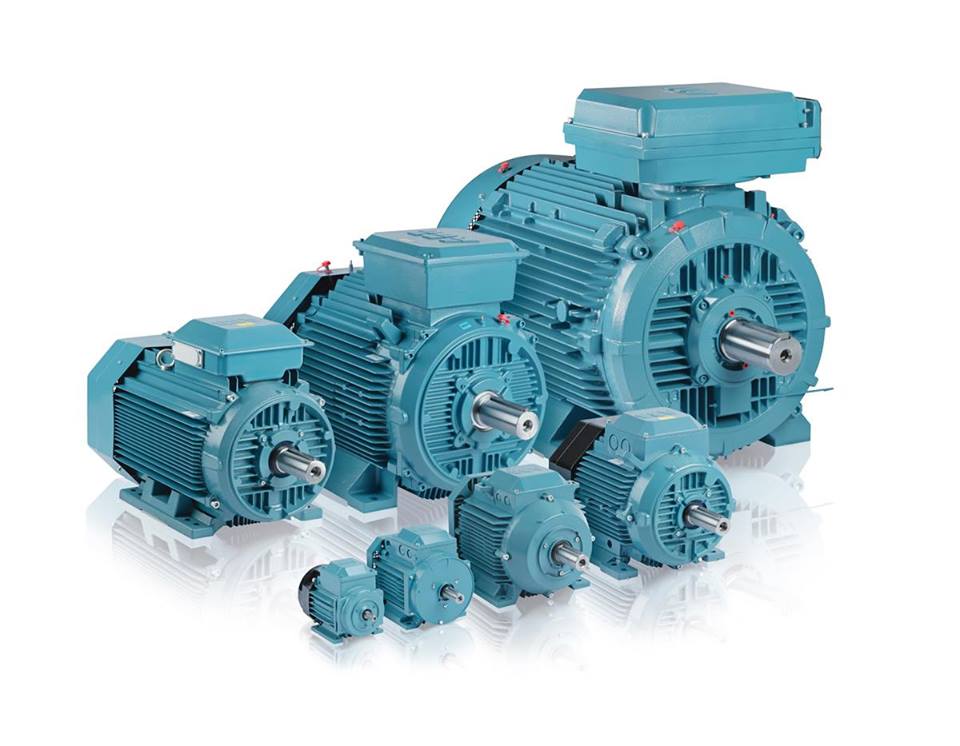
Bảo dưỡng cũng không khá phức tạp phải cần thuê người hay đến các cơ sở bảo dưỡng máy móc, chính bạn cũng có thể tự bảo dưỡng được. Chỉ cần chú ý một số điểm như:
– Theo dõi tiếng máy thường xuyên rất dễ phát hiện những âm thanh lạ, khác thường, để kịp thời điều chỉnh, phát hiện lỗ hổng và sữa chữa.
– Nhiệt độ máy cần được kiểm tra thường xuyên, nếu máy nóng quá cần dừng lại ngay để xử lý.
– Công suất tiêu thụ năng lượng thông qua ampe kế giúp bạn đo được các chỉ số năng lượng theo quy định máy.
– Độ tiếp xúc cầu chì, cầu giao hoặc những điểm tiếp xúc khác cũng cần được xem xét thường xuyên, tránh bị hở hoặc tiếp xúc không hoàn toàn.
– Motor điện 3 pha cần được lau chùi và vệ sinh sạch sẽ.
– Trùng tu motor điện 3 pha định kỳ nếu hoạt động trong môi trường hoá chất, bụi bẩn.
Bạn có thể vào đây xem thêm các hướng dẫn kiểm tra motor điện 3 pha: https://minhmotor.com
Các bước tiểu tu motor điện 3 pha.
– Bước 1: Vệ sinh motor điện sạch sẽ.
– Bước 2: Kiểm tra điện trở.
– Bước 3: Thổi sạch bụi bằng khí.
– Bước 4: Kiểm tra bulong, chân đế, ốc không bị lỏng.
– Bước 5: Tra mỡ bò nếu thiếu.
– Bước 6: Điều chỉnh các thiết bị bảo vệ điện.
Bạn có thể vào đây xem thêm chi tiết các loại động cơ 3 pha và cách bảo dưỡng chi tiêt: https://dongco3pha.com
Các bước trung tu motor điện 3 pha.
Motor điện 3 pha hoạt động từ 4000 giờ bắt buộc phải trung tu, các bước kiểm tra gồm:
– Kiểm tra bạc đạn
– Thay mỡ bò
– Đo độ cách điện
– Trong quá trình vận hành, chắc chắn sẽ có những lỗi hư hỏng phát sinh, quá trình trung tu cũng là cơ hội để hệ thống lại các lỗi và sửa chữa, để máy có thể vận hành như ban đầu.
Lưu ý: Khi tra mỡ bò vào bạc đạn, không nên tra quá nhiều, quá đầy, khoảng 2/3 nắp là tối đa. Ngoài ra, cũng cần chú ý các công năng khác của motor điện như khả năng tải, chịu nhiệt, …
Bảo quản motor điện 3 pha.
Kho cất trữ motor điện 3 pha phải có nền cao, ráo và thoáng, vì nếu ẩm ướt hoặc đọng nước khi trời mưa sẽ ảnh hưởng đến hoạt động, sinh một số phản ứng hoá học, khiến động cơ rỉ sét, khó vận hành.
Không nên để động cơ ngoài trời, và phải bảo dưỡng trước khi nhập kho. Tuyệt đối không đặt gần nới bảo quản các chất hoá học.
Bạn cần mua động cơ điện thì có thể vào đây tham khảo nhé: https://minhmotor.com/danh-muc/dong-co-dien-motor/
Tìm hiểu chi tiết ưu điểm của Kaspersky Internet Security 2018
Kaspersky Internet Security là phần mềm diệt virus được sử dụng nhiều nhất hiện nay. Phiên bản 2018 đã đang tung ra bản thử nghiệm cho người dùng trải nghiệm trước khi đưa ra phiên bản chính thức. Cùng tìm hiểu thêm những ưu điểm tuyệt vời của phần mềm trước khi bạn quyết định có nên mua Kaspersky Internet Security 2018 so với những phiên bản cũ trước đó nhé!

Đặc điểm của Kaspersky Internet Security 2018
– Phần mềm Kaspersky Internet Security 2018 hỗ trợ các hệ điều hành win 8, 10, nhưng không còn hỗ trợ win xp
– Kaspersky Internet Security 2018 có thêm tính năng phát hiện, và cảnh báo khi người dùng sử dụng chung bản quyền
– Phiên bản Kaspersky internet security 2018, ngoài những tính năng của phiên bản 2017, còn cập nhật thêm một số tính năng mới như sau:
– Kaspersky Internet Security 2018 cảnh báo người dùng khi truy cập vào trang web chứa virus, mã độc, hay chứa các phần mềm gián điệp,
– Cải thiện khả tăng chống lại virus, chống sự lây nhiễm của virus trong khi khởi động lại hệ điều hành
– Cải thiện khả năng sửa đổi dữ liệu, mã hóa dữ liệu của virus
– Kết nối thông tin bản quyền từ máy tính người dùng tới mykaspersky.com để quản lý thông tin bản quyền trực tuyến, bạn có thể kích hoạt lại bản quyền khi cài lại windows, tránh tình trạng mất license khi cài lại máy tính
– Thêm danh sách domain tin tưởng để Kaspersky không quét khi bạn truy cập những domain này
– Khi cài đặt phần mềm trên máy tính, nếu kaspersky phát hiện phần mềm này nhiễm virus, Kaspersky Internet Security 2018 sẽ lưu lại log lỗi thay, tạm nhưng quá trình cài đặt thay vì xóa phần mềm này đi
– Kaspersky Internet Security 2018 có thêm tính năng tự bảo vệ(Application selft-defense) khi phần mềm trên máy tính được cập nhật, kaspersky sẽ cảnh báo nếu phần mềm cập nhật dính mã độc, virus, trojan
– Kaspersky Internet Security 2018 cải thiện tốc độ quét virus, tốc độ khởi động, cũng như tốc độ update dữ liệu
– Cải thiện khả năng thông báo tới người dùng, nội dung thông báo sẽ chi tiết, rõ ràng hơn.
– Phần mềm Kaspersky 2018 có khả năng backup lại dữ liệu trên máy tính của bạn, và khôi phục lại dữ liệu đó khi máy tính nhiễm virus
So với các phiên bản Kaspersky cũ thì phiên bản năm 2018 đã có khá nhiều những cải thiện như là quá trình cài đặt lại nếu phát hiện phần mềm này trên máy tính của bạn bị nhiễm virus, đồng thời tốc độ cũng được tăng lên rất nhanh giúp người dùng được trải nghiệm những điều tuyệt vời hơn với máy tính của mình.
Kaspersky Internet Security 2018 xứng đáng là phần mềm diệt virus đáng được chờ đợi nhất trong năm tới. Mặc dù chưa có phiên bản bản quyền chính thức xong nhà cung cấp cũng đã có những cải tiến rõ rệt để nhanh chóng tung ra phiên bản mới vào đầu năm sau. Cùng nhau mua Kaspersky bảo vệ máy tính của bạn nhé.
Hạt giống hoa trồng chậu cho Tết rực rỡ
September 27, 2017
Tin tức
No Comments
baseball
Chọn ngay Hạt Giống Hoa dễ chăm sóc, trồng được trong chậu để bày biện cho ngày xuân rực rỡ.
Có rất nhiều Hạt Giống Hoa đẹp dễ trồng. Tuy nhiên, nếu muốn trồng chậu thì bạn nên lựa chọn những loại hạt giống dưới đây. Không những cách trồng và chăm sóc đơn giản, những loại hoa này còn mang hương sắc rất tươi trẻ.
Cẩm chướng
Hoa cẩm chướng có chiều cao khoảng 30 – 40 cm nên rất thích hợp để trồng chậu. Một chậu có đường kính 15 – 20 cm bạn có thể trồng từ 1 – 4 cây. Hoa cũng rất nhanh nở, chỉ sau 90 – 100 ngày gieo trồng là bạn đã có hoa đẹp để ngắm. Khi chăm sóc cẩm chướng, bạn nên đặt cây ở nơi có nhiều ánh sáng vì chúng là loài ưa sáng. Mùa hè nên tưới nước vào sáng sớm.
Tham khảo cách trồng hoa cẩm chướng tại đây: http://khoahoc.tv/ky-thuat-trong-hoa-cam-chuong-bang-canh-57602
Thủy tiên
Thủy tiên kiêu sa là loài hoa của vương giả, tượng trưng cho điềm lành nên rất được ưa chuộng trong dịp Tết. Dáng hoa rất đẹp nên rất thích hợp để chưng. Khi trồng thủy tiên, bạn nên chọn lọ thủy tinh trong suốt có phần cổ hẹp để phô bày vẻ đẹp của bộ rễ. Khi chăm sóc hoa thủy tiên, bạn cần phải thay nước hằng ngày và phải dùng nước sạch, nếu nhà bạn chỉ có nước máy thì bạn nên để bay hết mùi clo sẽ tốt cho cây hơn.
Đồng tiền
Không Hạt Giống Hoa nào thích hợp trồng dịp Tết hơn đồng tiền vì chúng được xem là cây kim tiền đem lại tài lộc trong năm mới. Cây khá dễ trồng và cũng rất nhanh cho hoa, chỉ 120 – 130 ngày sau gieo trồng. Khi chăm sóc đồng tiền bạn cần chú ý đến nhiệt độ và độ ẩm để cây cho hoa to và đậm màu, nhiệt đọ phải ở mức 15 – 35 độ C, độ ẩm khoảng 60 – 70%.
Báo xuân
Đúng như tên gọi, đây là loài hoa của mùa xuân. Chúng có rất nhiều màu từ đỏ, hồng, tím đến vàng rất rực rỡ. Hoa dễ trồng, dễ chăm sóc, không kén đất và cũng rất nhanh được ngắm sắc hoa khi trồng. Nếu muốn hoa nở đúng dịp xuân sang, bạn nên bắt dầu gieo trồng từ tháng 7 – 8 âm lịch. Báo xuân chịu lượng nắng vừa và tưới nước vừa đủ ẩm.
Cúc lá nho
Cúc lá nho có khá nhiều màu như trắng, tím, hồng hay tím nhạt. Bạn có thể lựa chọn màu sắc mình ưa thích hoặc mix màu để có một chậu hoa rực rỡ nhất. Khi trồng cúc la snho bạn cần chú ý chọn đất tơi xốp, thoát nước tốt vì cây có thân mảnh và rễ khá nhỏ. Cúc lá nho trồng được quanh năm và phát triển tốt trong thời tiết mát mẻ.
Thược dược
Hoa thược dược rất to, nhiều cánh chen nhau và mùi thơm nhẹ dễ chịu nên rất được yêu thích. Màu sắc của giống hoa này cũng rất đa dạng như hồng, đỏ, cam, trắng, vàng,… Thược dược cũng không cần chăm sóc cầu kỳ, tuy nhiên, bạn cần chú ý phải tưới đủ ngày 2 lần nước và không tưới lên hoa.
Panse
Panse chỉ cao khoảng 30 cm, thân thảo nên bạn có thể trồng chậu hoặc giỏ tùy vào nhu cầu, sở thích. Cây có thể chịu nóng, thích hợp với thổ nhưỡng và khí hậu Việt Nam. Panse cũng rất nhanh cho hoa, chỉ 100 ngày sau gieo trồng.
Baseballnation hy vọng bạn có hoa đẹp đón năm mới với gọi ý về các Hạt Giống Hoa trồng chậu cho Tết rực rỡ. Chúc các bạn thành công!